
Rick McBee's Writings
Explore the magic of new ideas and books to read as well as see what books I have written, my favorite photos, my opinions on may subjects, including Science, Africa, the Caribbean, the Civil War, my Book Reviews, and Much More!
Father’s Day E-Book Sale! Just what DAD wants for his reader!
Most of us Dads have a lot of interests. One of them is often trying to figure out how our ancestors dealt with the trials of life such as war. In “Rough Enough” http://www.amazon.com/author/rickmcbee you can learn about our great grandfathers going off to war cockily thinking they could lick everybody on the block.  They found out the hard way. Here’s a documentary of the life of young Richard Clow from the time he entered the Civil war in 1864 through his fighting career which took him onto the frontier and finally how he ended up in Deadwood, striking it rich in a gold mine in 1880.
It’s on sale now at the http://www.amazon.com/author/rickmcbee in Kindle and e-book formats for 99 cents which should brighten up Dad’s special Day! Sale ends on the 21st of this month!. Don’t miss it!
Immigration – Telling it like it has been historically for U.S. – E pluribus Unum!
Here’s a Great comment by a long time international friend of mine who has seen it all as far as the immigration situation in the U.S.! We will be voting on this and many other important issues, but this is a key one! I couldn’t state it better in putting down what out history tells us and why we need to keep our country a melting pot. To read how one functions historically when you are not a melting pot, read “Astoria” by Peter Stark! We need diversity and we need acceptance and cooperation!

As we head into an election cycle in the USA, the issue of immigration will rightfully earn a great deal of attention. So let’s put it in historical perspective:
“During the 20th century, America recorded its highest percentage of foreign-born residents in 1910 — 14.7% of the population. A century later, about 40 million people, or nearly 13% of Americans today, are foreign-born citizens” (CNN).
Economic studies show that immigration works to the benefit of the receiving country. The inscription on the Statue of Liberty makes both moral and economic sense:
Give me your tired, your poor,
Your huddled masses, yearning to breath free,
The wretched refuse of your teeming shore,
Send these, the homeless, tempest tost to me,
I lift my lamp beside the golden door.
Immigration always has been and always will be a good thing. E pluribus Unum.
Author Rick McBee from 60ft – DEEP! Diving Curacao.
Talk about a fabulous diving trip with my wife, Jill, buddies Julie and David, and all the friends in Curacao with whom we’ve dived since 2002. Here’s a snapshot of me, author Rick, taken by the owner of the incredible Waterside Apartments, Tine Valter who runs one of the absolutely best seashore apartments on the Island of Curacao in the Netherlands Antilles.
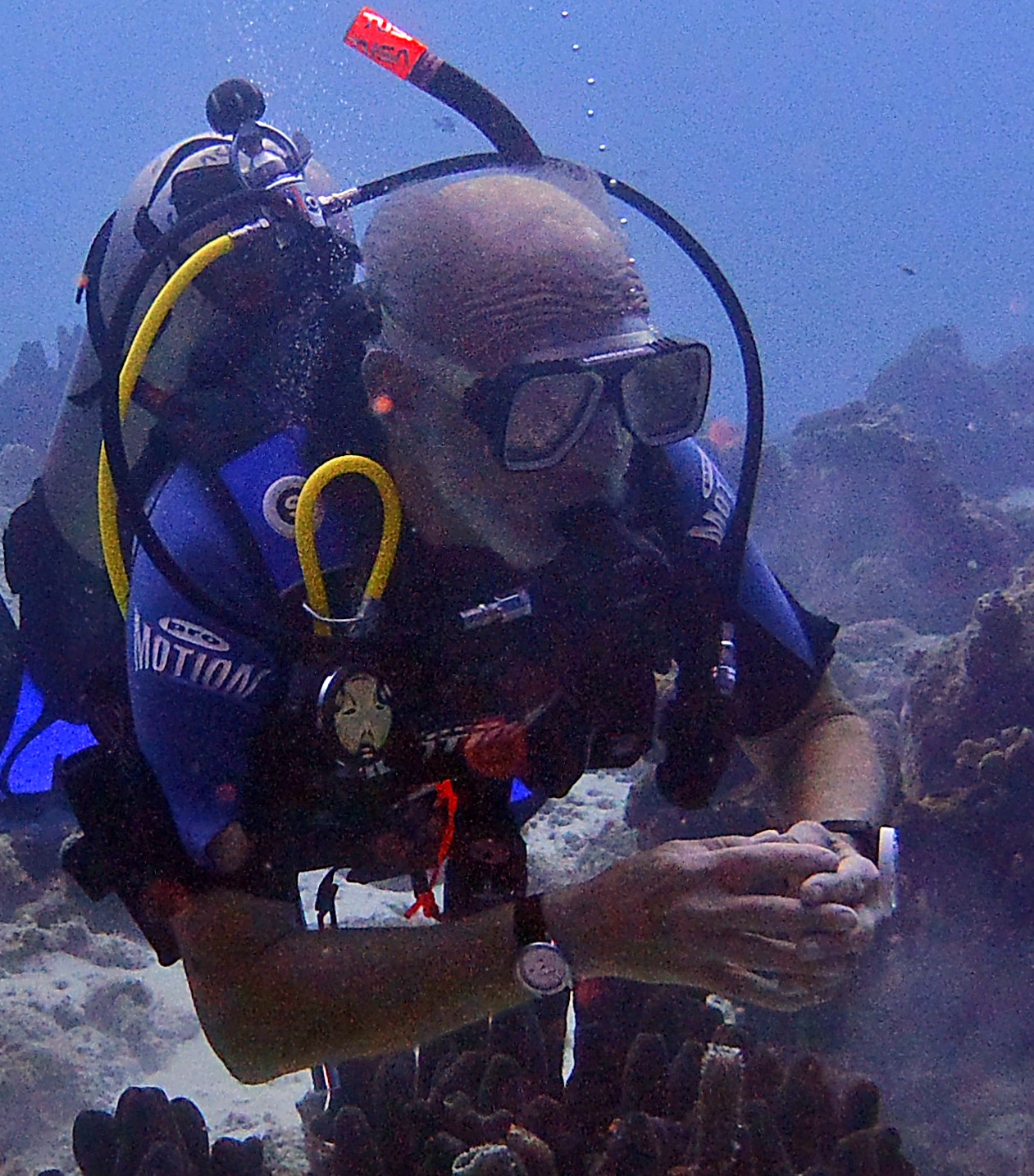
I did 25 dives in 10 days sometimes just with Buddy Jill or Buddy Dave or as a foursome. Night and day dives, boat and shore dives, but 50% of them right from Waterside where you won’t find better diving.
So what do you think? Euros 110 per night for an apartment that easily hold 4, situated right on the water? You don your scuba gear, walk down 20 steps and wade into the ocean. Swim out 50 yards and at 25 ft. the reef starts and it’s an ever changing wonderland from there. Swim into the light current for half a tank at 60ft., come up to 45ft. and float along over eels, rays, flounders, corals of every color and come in generally at 60 minutes with easily 800 PSI or more in your tank. Back up the 20 steps, undress, hot shower, cook on the barbecue and watch the sun sink into the Caribbean one more evening over a nice glass of wine with friends talking the night away about what you’ve seen and what you will do tomorrow. Paradise!
Morel Mushrooms are out! – Morchella semilibera! – Yummm!
Those who know where to find these goodies aren’t telling! If I did, my life wouldn’t be worth a plugged nickel!
This particular variety, Morchella semilibera is rated by Orson K. Miller Jr. in “Mushrooms of North America” as: Edible!, Choice!, and Common!, although a whole lot of people walk past them everyday and don’t know they are hiding in the Cottonwoods! How do you cook and eat them? See Below:

Just pick, dice, throw in the frying pan with butter and cook off the majority of water leaving all the sautéed bits and then salt and pepper to taste, thicken with a bit of flour or corn starch. Now add these to the chicken stock off your broiled hen and eat with a bit of mashed potato! Wow! Yumm! Yumm! Want more? better learn where to find them and their relatives and then keep the place a secret or…..Skeek!
Spring Definitely Here in Oregon! – Wonderful Flowers!
This is one of the best times of the year in Oregon. Blossoms popping all over the Hood River Valley.
Just down the trail past the pond from my house is this wonderful pair of Lady Slippers!

Then coming up past the pond into the Orchard, the plum, prune, apple and pear blossoms have all popped! Here’s the Pear!
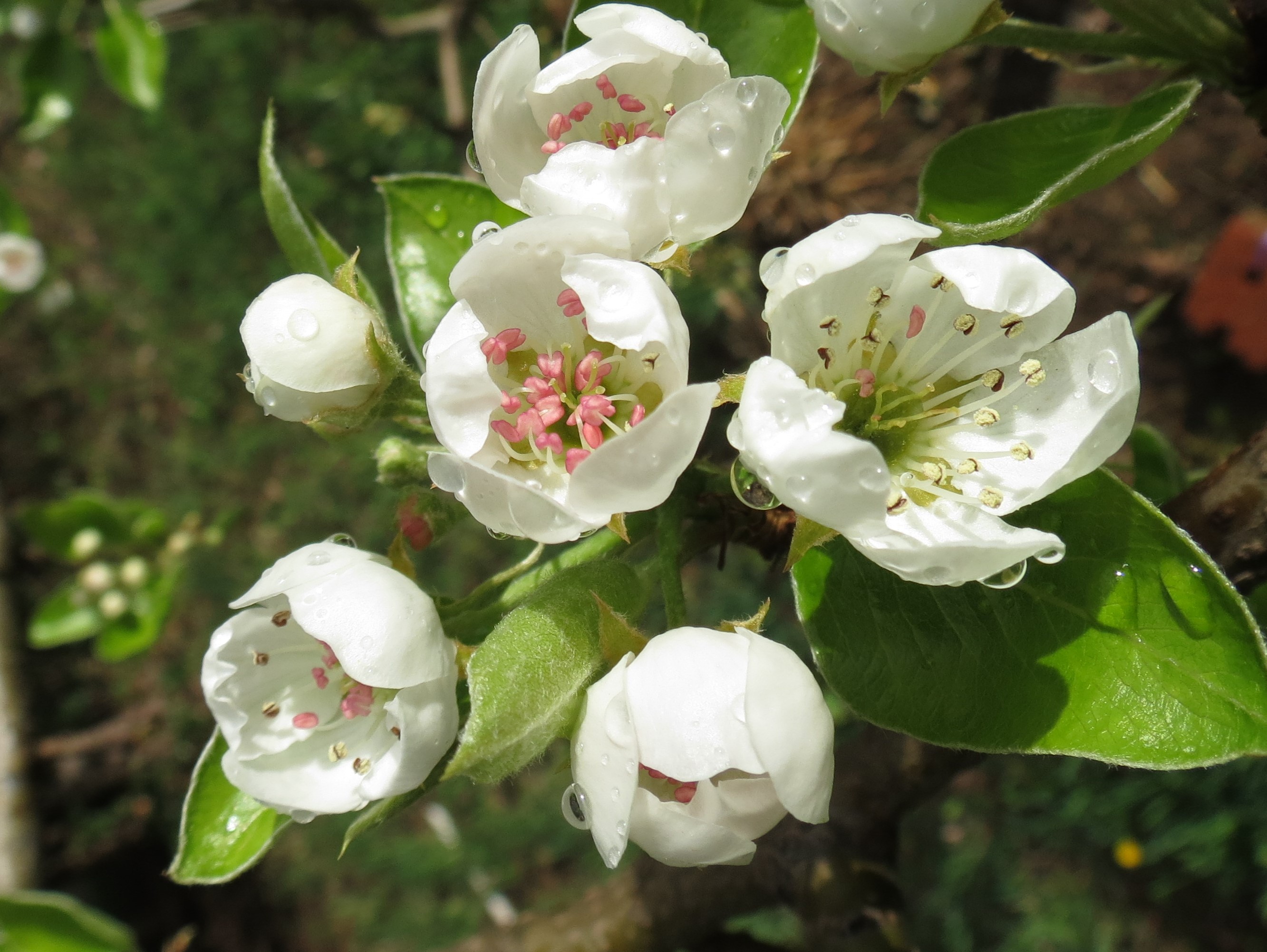
Finally, as you go down the driveway you pass the most wonderful Japonica Bush! Wow! Surrounded by Daffodils!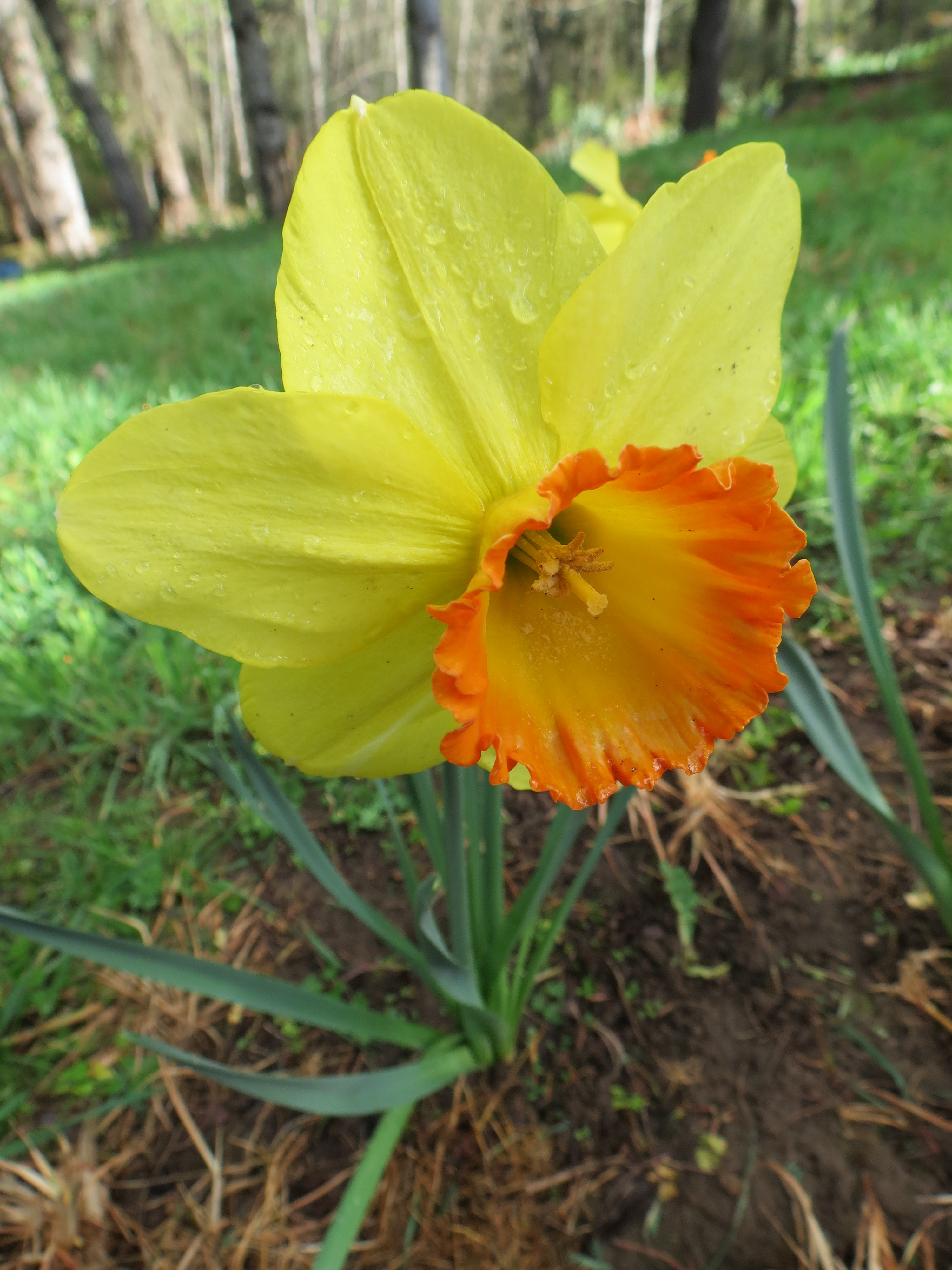
Have a wonderful Spring!
Buy your basket work in Maun, Botswana! Which is your favorite?


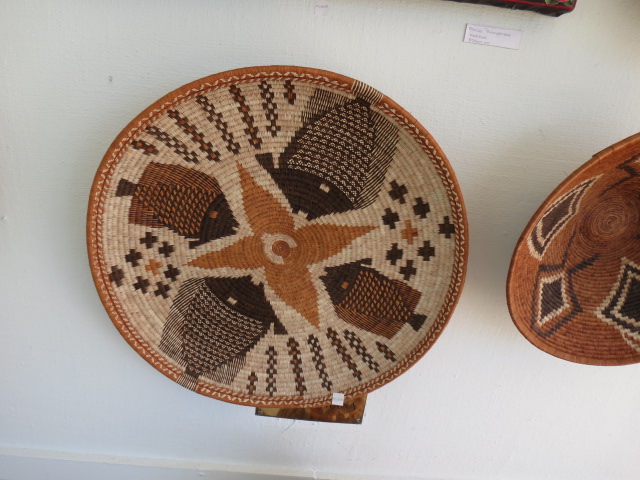
On my recent visit to check out old haunts in Maun and my old school, Maun Secondary, I was once again struck by the fabulous basketry skills of the artisans along the Okavango Delta. Their works are on display and for sale in a number of curio shops in Maun, but the very best are in the museum, many for sale. Don’t expect to pick these beauties up for a a few quid, they are expensive but when compared to what you see in Vic Falls, Livingston, Zambia Jo’burg, etc., they are way ahead of the game. You won’t regret having spent the money and you know you’re supporting a local economy and a form of art that will disappear as plastic bowl and other junk take over from the western world. My favorite is number three, the fish basket.
What happens when you rewrite an old book? – “Kalahari” morphs into “Ukuthula!”
James Michener was once asked why he didn’t rewrite and expand his first book, “Caravans,” after he had established himself as one of the world’s renowned authors. He essentially answered the question by pointing out that the process of writing is creative. The creation is, what it is, and if you go back in and try to completely rewrite it you come out with a new creation, a new thing and new book.
I realized years ago that my first book,” Kalahari” Had a number of plot and character flaws which one of my original reviewers said were “unworkable and un fixable.” End of story! The book came out in 1995 after I had attempted to fix some of those flaws, but it was never the book I had hoped it would be, Begun in 1978 as the novel, “Maru a Pula”, a story of the liberation of Zimbabwe /Rhodesia based on my knowledge an experience in Southern Africa in the 1970’s, I was unable to publish it and in the 1980’s and early 90’s it morphed, with the liberation movement in South African into “Kalahari,” a story set during the early 90’s. The book had moderate success until the publisher went belly up and the rights were returned to me by the bankruptcy court a number of years later.
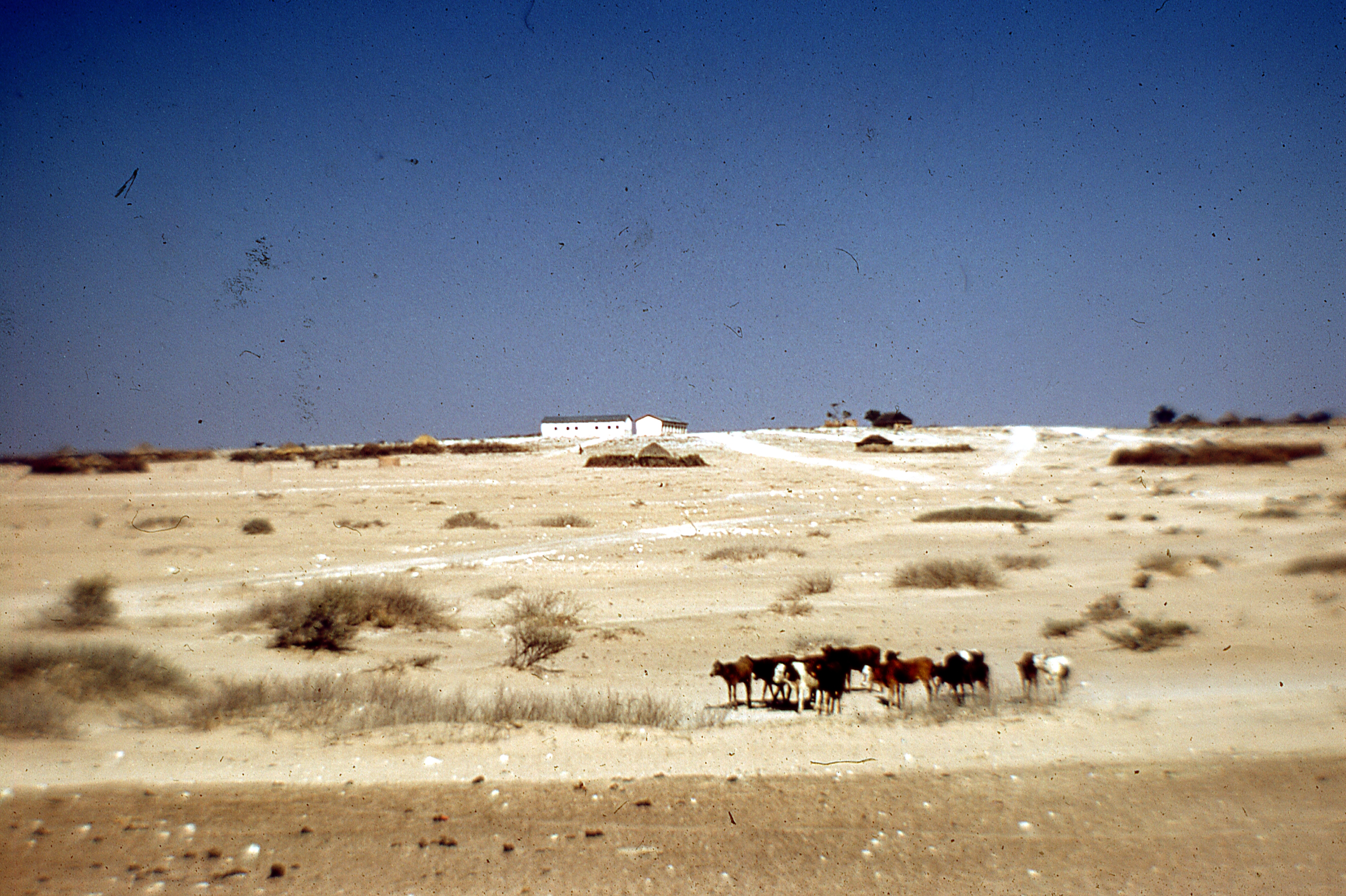
So let’s analyze a few things. Here’s what Maun Botswana looks like in late 1973 after no rain for three years..

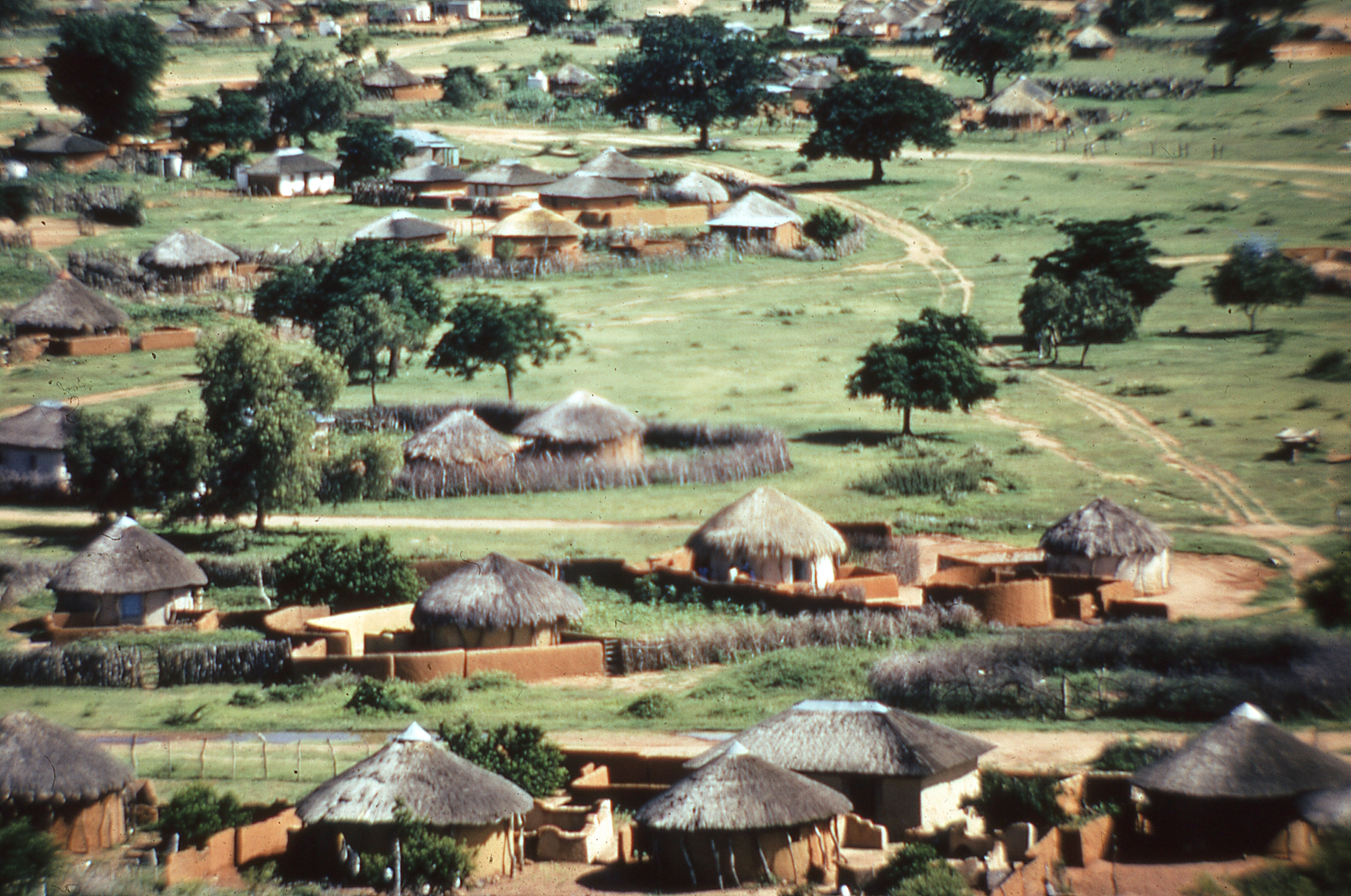
Here is Maun again in early 1974 after the rains brought water. BIg difference, Eh? You bet!
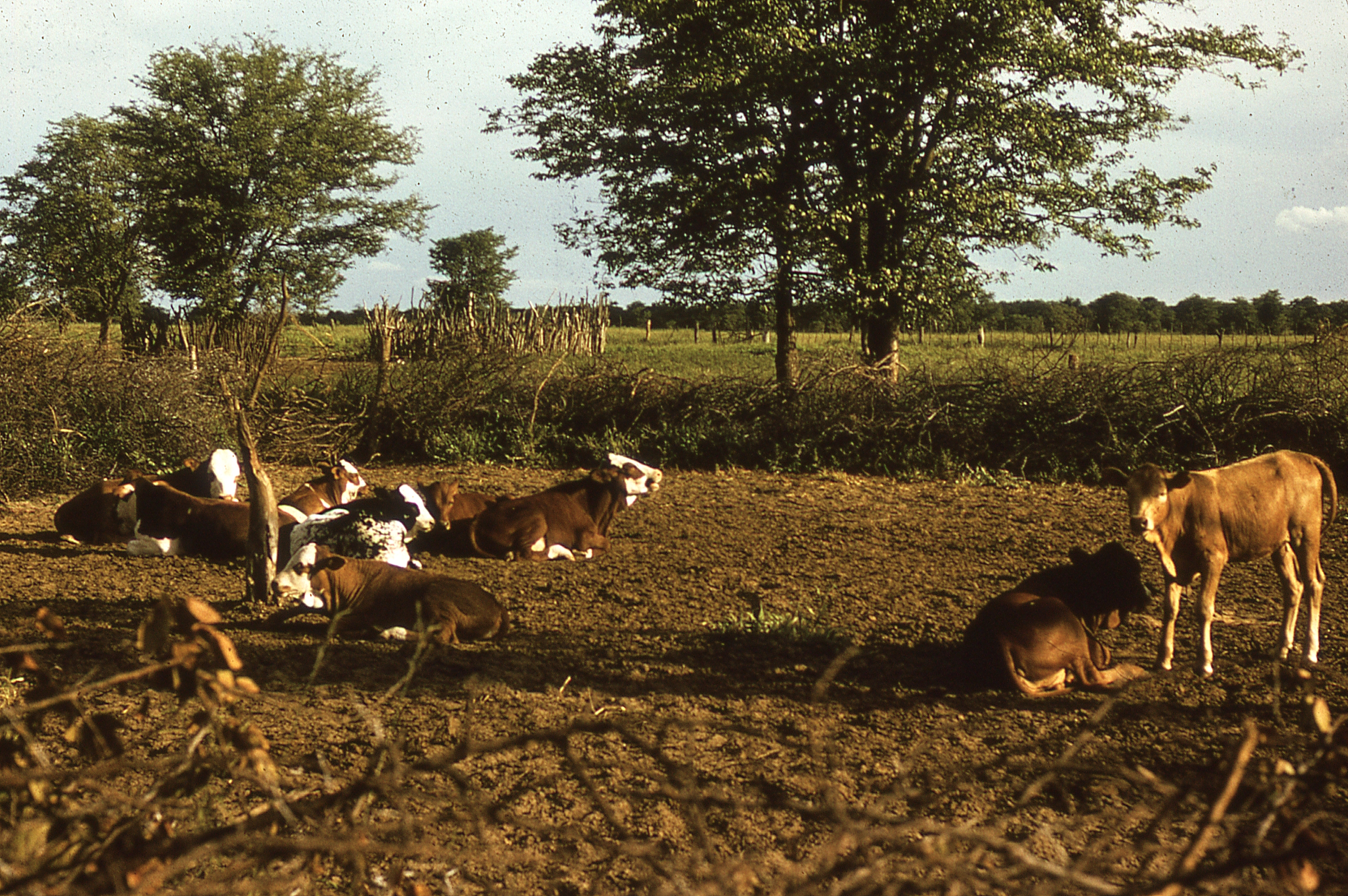
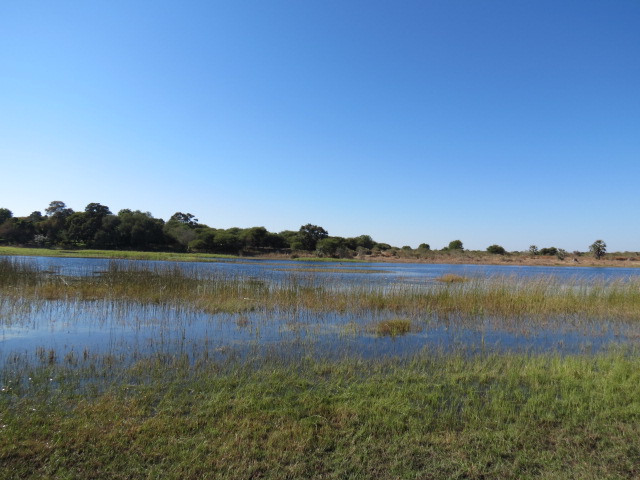
Yes, Kind of like pictures #1 and 2, no water in the Thamalakane River, Water holes in the desert that the cattle and animals had scraped out over ten feet deep. Picture # 3 and 4, the river was 100 yards wide and full of bream, crocodiles, hippo … Absolutely amazing! So this is the picture in my mind when I completed Kalahari and it was published in 1995.
Now, let’s look below at Maun Botswana in 2014. 40 years later! Wow! Shopping malls, automobiles, paved streets, tin roofs, cell phones. …on and on. The big Thamalakane River is still there and it’s still fairly wild, but people don’t drink out of it directly, or bath in it every day or wash their clothes in it because water is now available through out the town. This is the kind of change that has taken place in the country. So you can imagine how the rewriting of “Kalahari” resulted in a completely different book because my perspective now looking at liberation as a fact that has happened since the mid 90’s, rather than as a dream, for which we were struggling, in the 70’s – early 90’s.

What’s different about the new book, “Ukuthula?” 1. The Plot is unified, coherent and linear (except for back flashes).2. The conversations have changed completely, 3. The descriptions of scenes have changed , 4. New characters with new names have appeared and the female roles have grown markedly, 5. Chapters which were meaningless have been deleted and new expanding chapters added, 6. the number of pages in the book has expanded from 222 to over 400 pages.
What’s the same? 1. The theme of the struggle for African liberation is still there. 2. The idea of odd bedfellows in wars of liberation remains. 3. The conflict between good and evil remains. 4. The idea that eventually good shall triumph over evil remains. 5. And a bunch of the good old fashioned action scenes have stayed in the book and been expanded and built upon.
I could go on, for hours, but let’s just say, when you pick up “Ukuthula” and read it you will not recognize more than a few minor items within the book that are left over from “Kalahari.” Is that good? Of course! You didn’t want to read another copy of some old book. You wanted Africa like it was and still is, the smells, the adventure, the action, violence and love in a better and different format. And that’s what you will be getting in only a few months from now when the book goes on sale in both paper and electronic formats. A new book morphed out of old ideas, bigger and better.
Now I know why James Michener didn’t go back and re-write “Caravans.” It would never have been the same.
Richard Clow’s Interest in the 56th Mass.? – The Crater – July 1864
Thinking back to some of the reasons why Richard Clow may have enlisted in the 56th Mass. Infantry in 1865, one of the items he notes in his February letter to his sister is that the 56th was “cut up badly” and needed replacements. For us, perhaps not a really good reason to join the Infantry rather than the Engineers, but perhaps some of this interest came from back in July 1864 when the battle of the Crater took place. Richard Slotkin’s well written thorough history of this battle should be read by all who are interested in visiting the Petersburg National Battlefield. The site itself is well described and frankly very interesting to walk through and to contemplate what each side must have been doing to either make itself vulnerable to attack in this situation, or to deceive the others so that they would not notice what was going on so near to their lines.
Let’s look at what happened on the ground. A number of units and officers knew about the work on the mine by the Pennsylvania troops including Col. Weld of the 56th Mass. Here are his words from a battlefield visual.
. 
And of course Major General Burnside who had allowed the project to proceed knew about it. The initial doubt about the whole scheme changed to one of optimism as the realization came of what a complete breach of the Confederate lines would do to the possible end of the war.

The ventilation shaft which allowed clean oxygenated air to enter the lengthy tunnel and keep the miners with fresh air was a masterpiece of ingenuity. Working in the same manner as the draft for a home stove, The fire burning outside the tunnel actually pulled it’s air from deep within the diggings, thus setting up a constant flow of air into the mouth of the tunnel and keeping the miners alive.
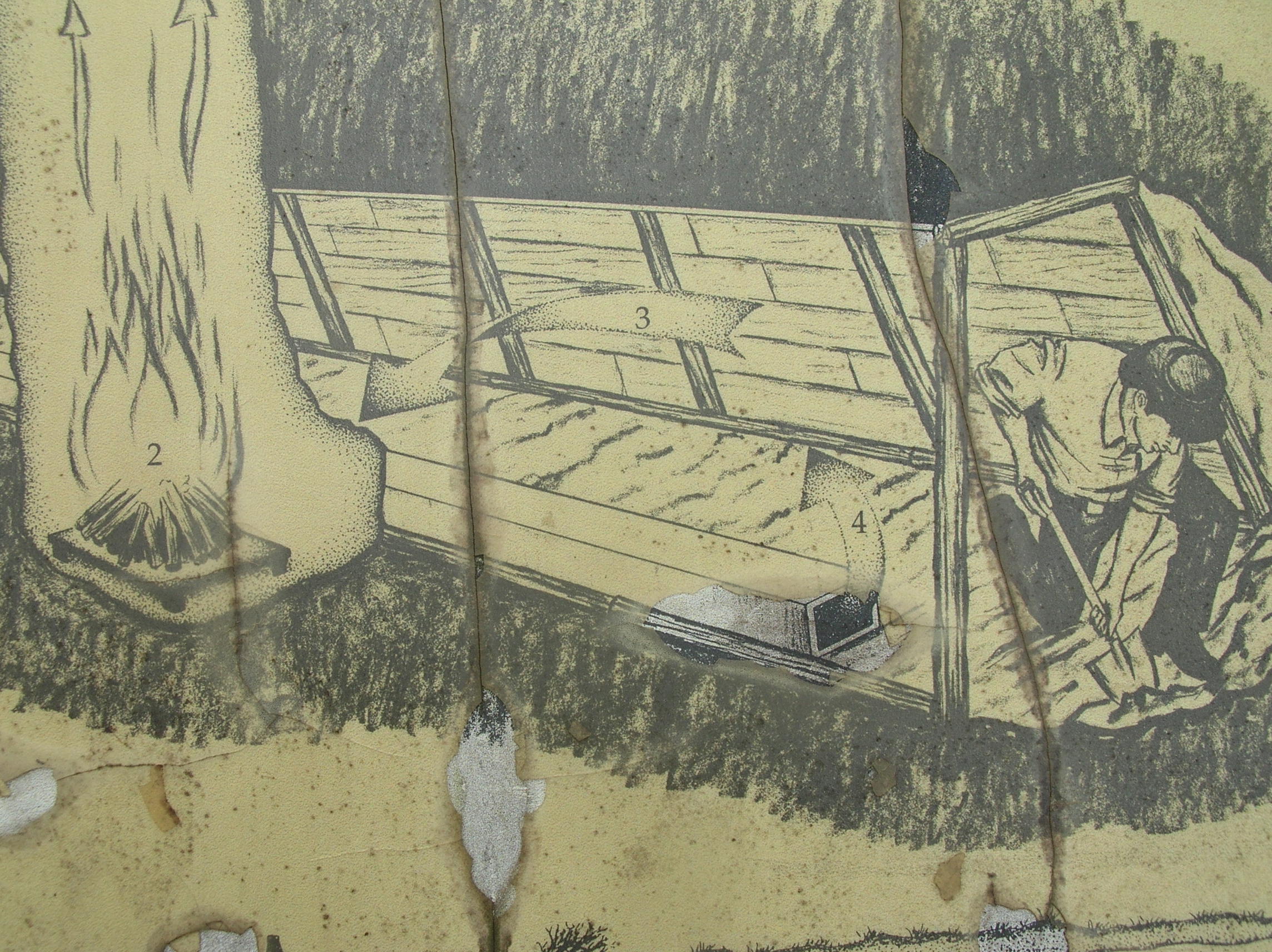

The views from the actual front lines of the Union and Confederate troops makes one realize how hard it was to keep this project a secret for the weeks of digging and hauling bits of dirt out and disposing of that without becoming obvious.; From the Union side the mouth of the tunnel was obvious (picture on left). Looking up the hill towards the Confederate lines,(picture on the right) it would appear that one might easily see what was going on as the slope doesn’t look to be very steep or cut with gullies.


But, from the Confederate lines, the hump in the hill (picture below) shows how that bump made the tunnel mouth more obscure and any man peeking over the top would obviously have his head exposed to the rifle and musket fire of the Union Picket line just below. Thus the deception was possible.

In the final analysis, the battle was not lost because of a fault in the plan for digging the tunnel and placing the gunpowder, nor was it the fault of a delayed explosion. In fact, the defeat came because of two flaws in the command of the Union troops.
Note the assault picture below: The explosion blew a massive hole and stunned the Confederate troops so badly that had the Union troops gone around the Crater rather than through it, their success would have been ensured. Additionally, if there had been no infighting between all of the commanders to prevail on Maj. Gen. Burnside that he should not allow the trained and drilled Black troopers to lead the assault, then those men who had practiced and thought about the assault would again have likely won the day. As it was, the lust for glory by the commanders put untrained unprepared troops in the first assault wave. They became bogged down in the mud and uneven ground of the crater and ended up being slaughtered.

In our final picture of the Crater we see not only the hole, but most likely a Union Soldier’s skull still in the hole being viewed by tourists after the war in 1867. A tribute to excellent planning and innovative ideas, but a monument to failure due to human inability to cooperate and give glory to others when it was both deserved and planned for. Visit the area, enjoy!

City Point, Virginia, Busiest Seaport in the World 1864 – 1865
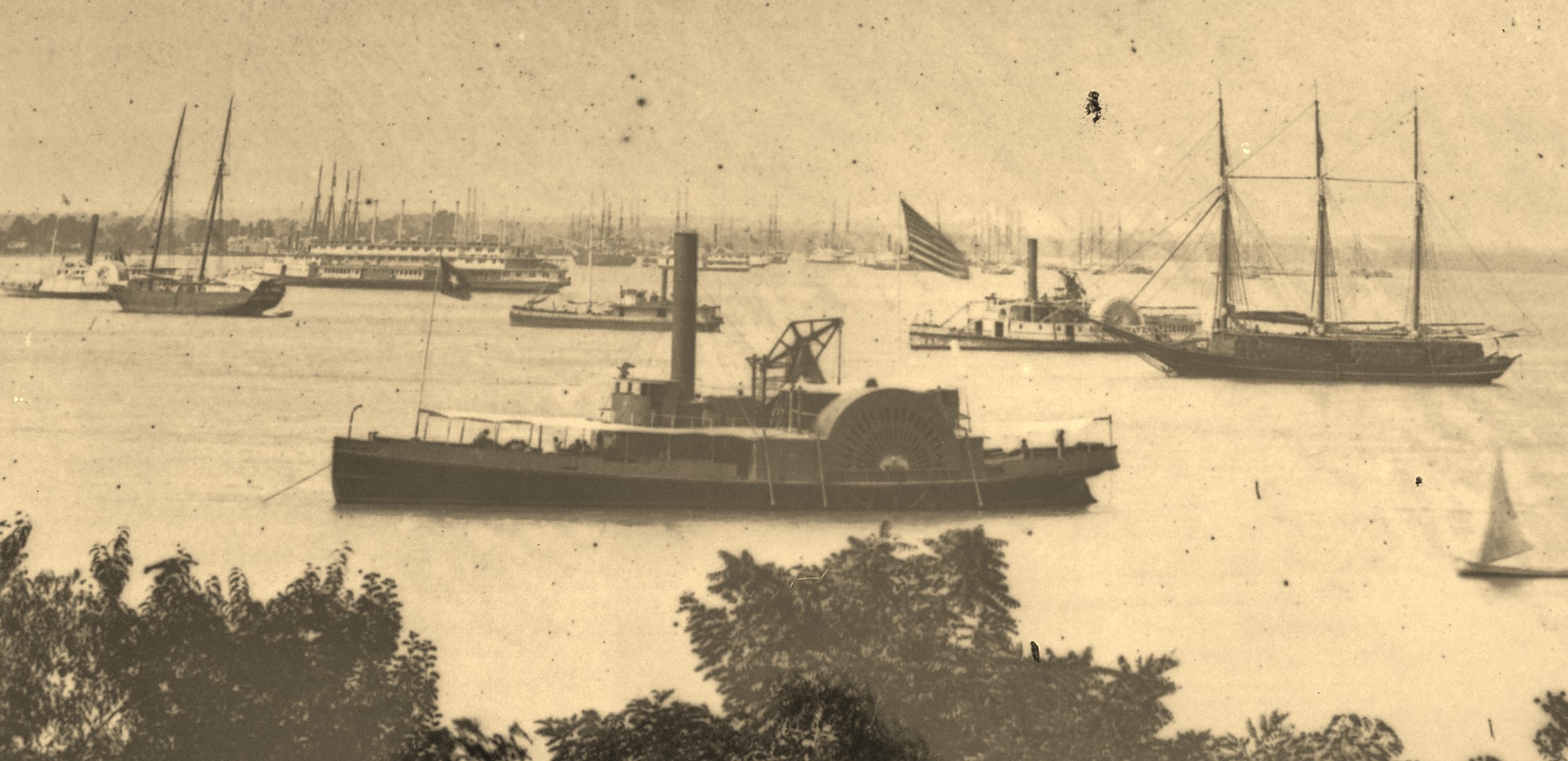
Here are pictures I took of displays at City Point while researching the Civil War experiences of Richard Clow at Petersburg in 1865. Note the variety and sizes of ships in the harbor. Sailing vessels and steamboats, large and small plied the harbor delivering the massive amounts of food, ammunition and supplies required to keep General Grant’s Union Army in good shape while it held the town and General Lee’s army under siege.

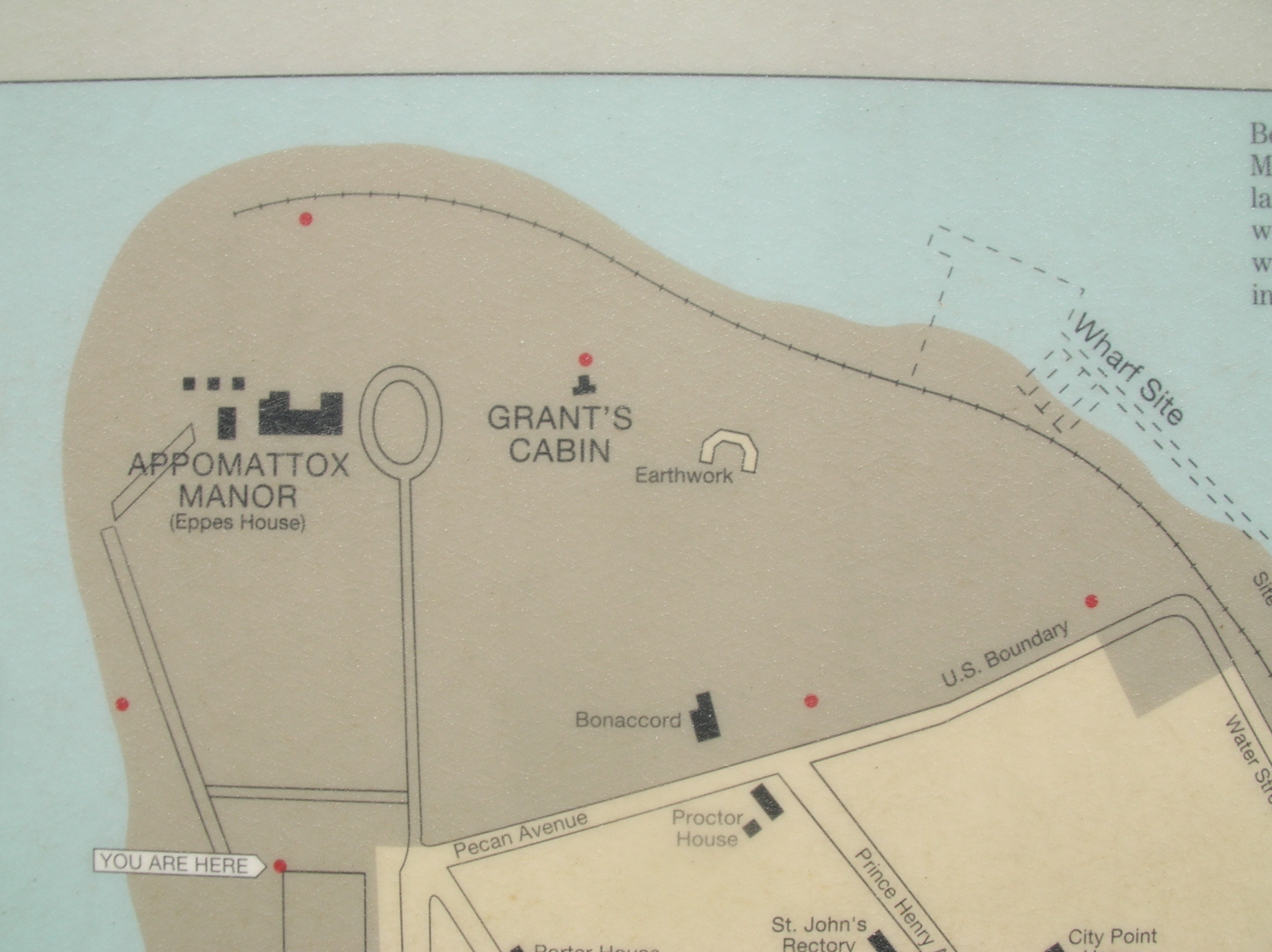
Looking off the slope of the hill from Grant’s Cabin the two pictures below are the types of ships he would have seen on a dialy basis bringing in supplies.

Below, we see the harbor as it appears today from the vantage point of a window in Appomattox House. Grant’s very small cabin is nearby, dwarfed by the old manor house.

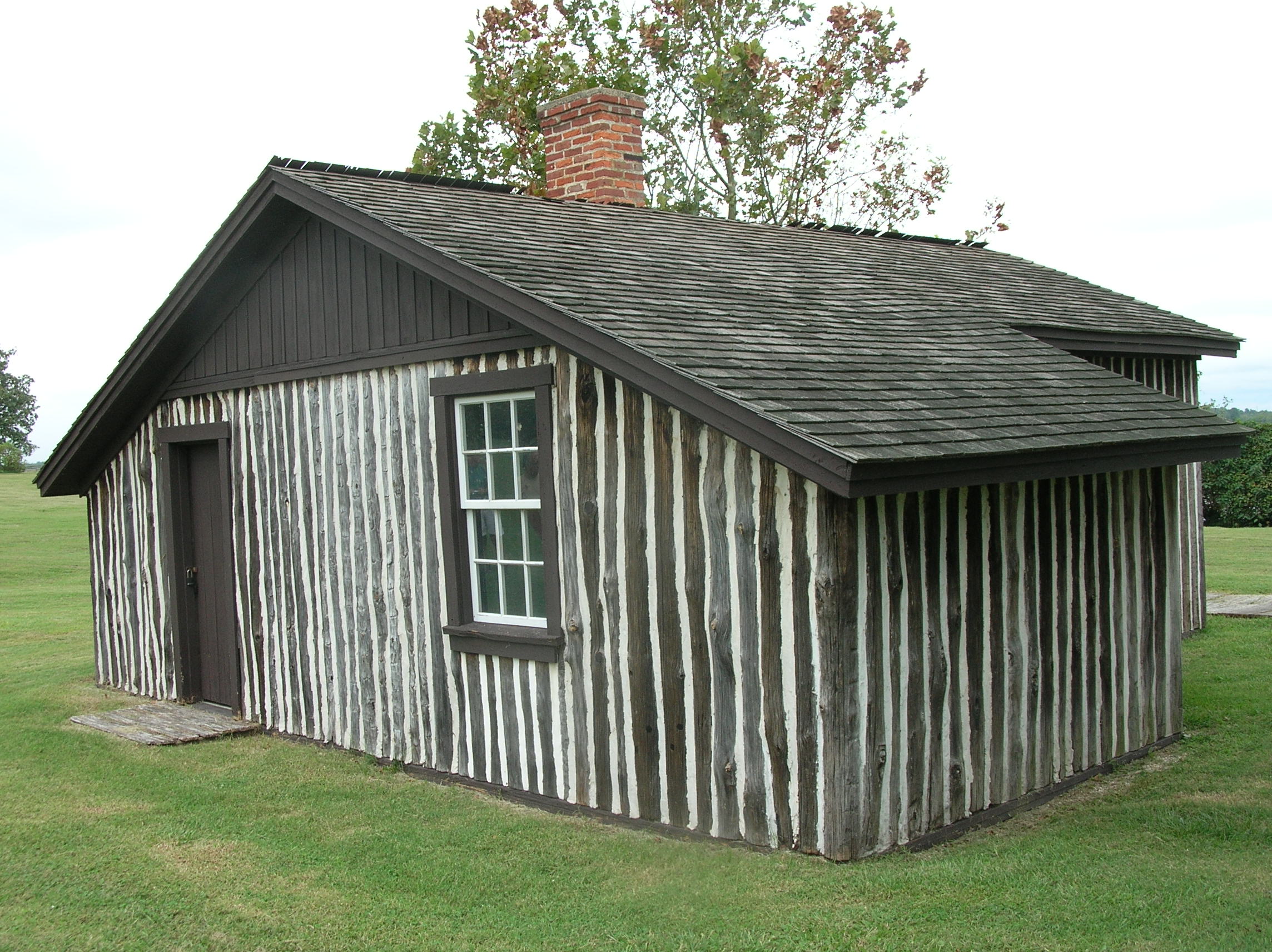
Inside Grant’s cabin one can see Grant’s fireplace, writing desk and chair with uniform and sword hanging.

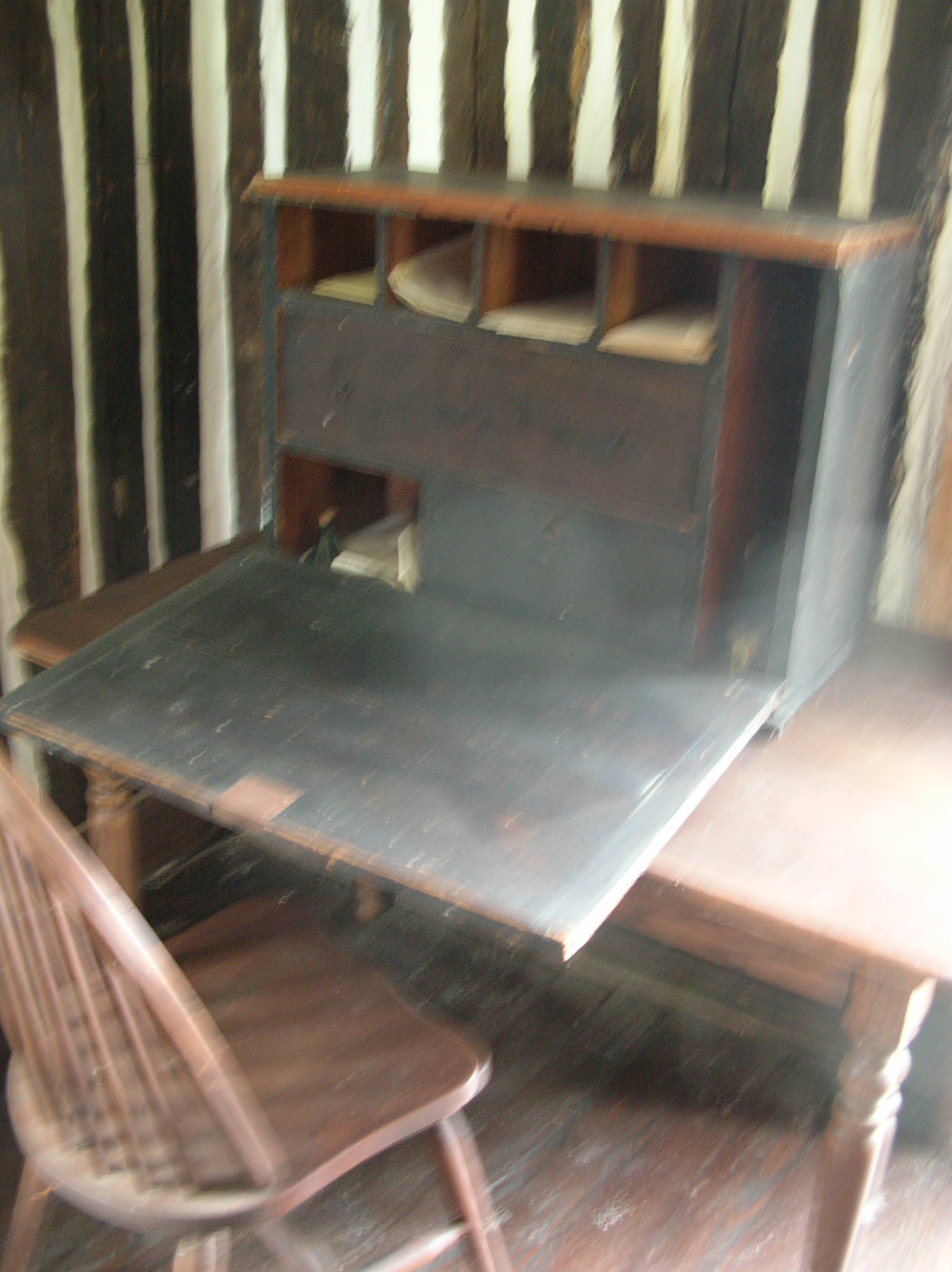

The amount of history to see at this site takes your breath away. Give City point at least a whole day so you can walk around and see the old tavern houses, church and other buildings.
February 23, 1865 – Richard Clow’s Letter Speaks from the Past!
The letter written by Richard Clow to his sister, Agnes, on Feb. 23, 1865 illustrates the Fort Hayes situation as seen through the eyes of an enlisted man. Here’s a section of his letter:
Fort Hayes: It is an earthenwork with three guns, six pound rifle guns. We can see the city of Petersburg quite plane. It is just through a small belt of wood. It sounds so funny here to me, the pickets at night – on both sides fire every ten minutes. The whole line of pits, six men in a pit and the pits a few rods apart. So it sets up a continual rattle. A stranger would think it an awful battle. Well they do kill a few once in a while as they point right at them.It looks so funny to see the ditches full of dead Johneys as they call them.
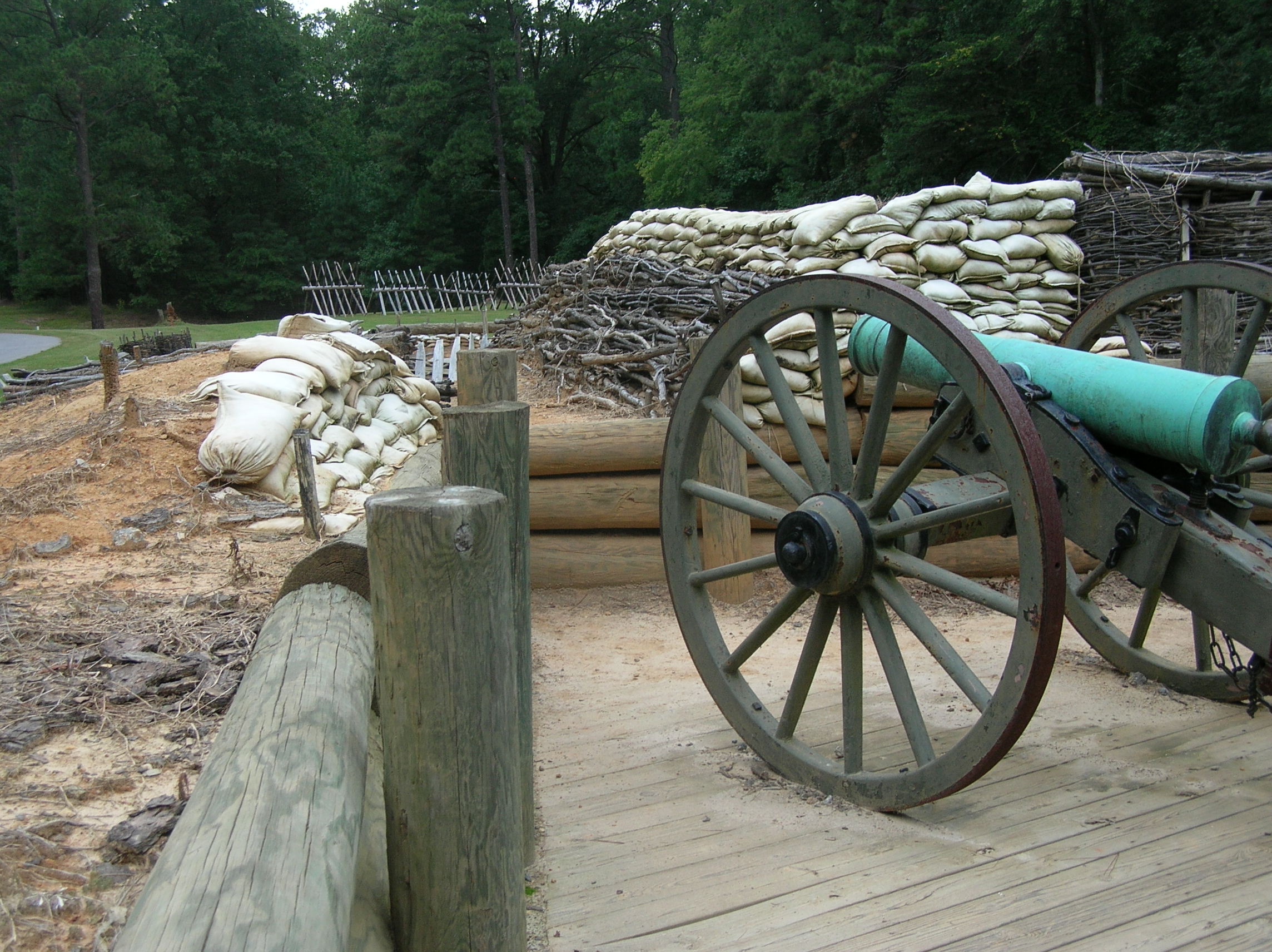 Here is a typical emplacement of a field cannon on the Union fortifications at Petersburg as they would have been at Fort Hayes and many of the smaller forts along the western front. In the background are the cemin de frises and beyond that in and through the woods would have been the picket posts, opposite the Confederate lines and the first early warning of any attack.
 This is how that cannon would have looked to attacking Confederate soldiers from under 100 yards away. Pretty daunting if that gun is loaded with exploding canister and the trenches ahead ar full of men with their muskets and bayonets ready and waiting.
South Africa Book Group on Goodreads
.gr_grid_container { /* customize grid container div here. eg: width: 500px; */ } .gr_grid_book_container { /* customize book cover container div here */ float: left; width: 39px; height: 60px; padding: 0px 0px; overflow: hidden; }
 1557 members
This is a book club for all South Africans who love reading! We also have members from other coun...
Books we've read


View this group on Goodreads »
Share book reviews and ratings with South African Book Lovers, and even join a book club on Goodreads.
 Rick McBee's Writings